
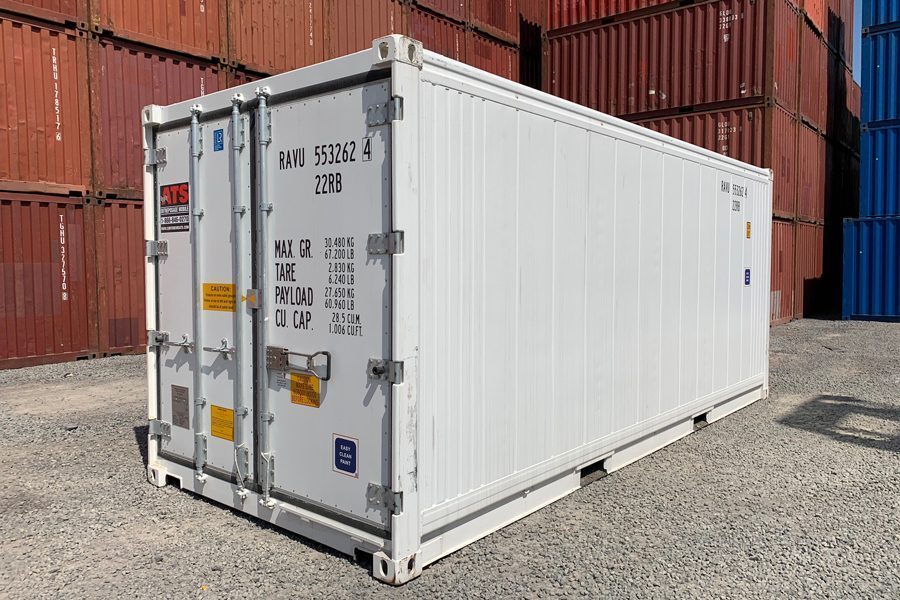
A refrigerated container, often called a reefer, looks like a standard shipping container but behaves like a large, insulated cold room with its own cooling machinery. That makes it useful for cold storage, food and pharmaceutical logistics, and any cargo that has to stay within a temperature range. It also means there are more questions to settle before you buy than with a standard box. This refrigerated container buying guide explains how refrigerated containers and refrigeration units work and what to check first.
Key takeaways
- A reefer is a container plus a refrigeration unit. You are buying the insulated box and the machine that cools it.
- Power is part of the purchase. Reefers need electrical power, either from the grid or from a genset, and the voltage and phase depend on the unit.
- Temperature range depends on the unit. Check the range and set points against what you plan to store.
- Ask for proof it works: a documented test run, service history and clear photos of the actual unit.
How a refrigerated container works
A reefer has insulated walls, floor, roof and doors, and a refrigeration unit built into the front end. The unit blows cold air through the container. Reefers use a T-shaped (T-bar) floor with channels underneath the cargo, which lets air circulate along the floor and rise through the load, so the goods stay evenly cooled. That is why the floor grating in a reefer matters and why cargo should not block the airflow.
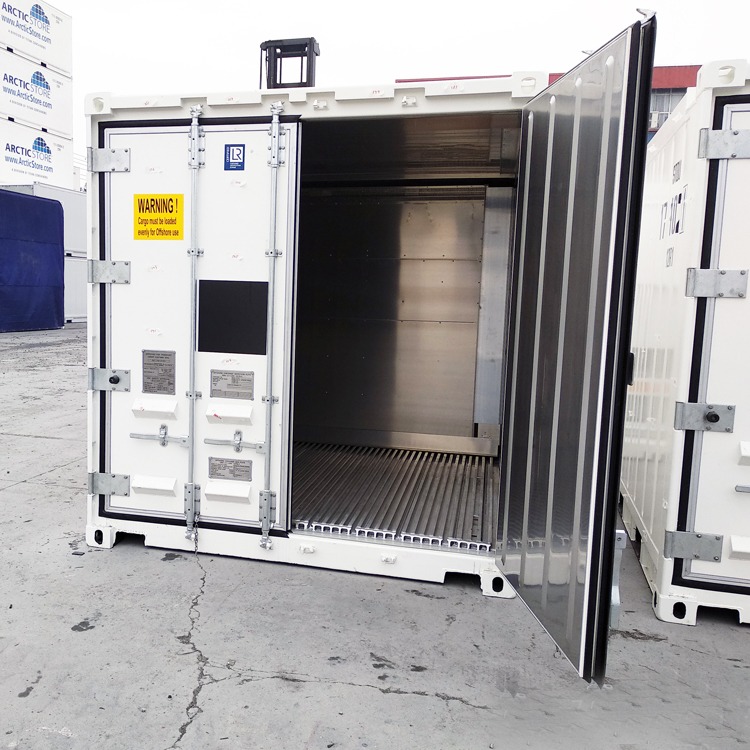
Most refrigerated containers can hold temperatures for chilled goods and many can also hold frozen temperatures, but the exact range depends on the unit. Always compare the specified temperature range with what you need to store, rather than assuming every reefer covers every use.
Sizes and formats
Reefers come in the same footprints as standard containers, most commonly 20ft and 40ft, with 40ft high cube versions for extra volume. Because of the insulation and the machinery, the interior space is smaller than that of a dry container of the same length. If you need a compact cold store, smaller units such as 10ft refrigerated containers can fit tighter sites.
Browse the full range in our refrigerated shipping containers category. If you are still deciding on a general-purpose container first, our guide to how to choose a shipping container covers size, condition and delivery.
Refrigerated containers vs refrigeration units
These terms are often mixed up, so it helps to separate them:
- Refrigerated container (reefer): a complete insulated container with a built-in refrigeration unit, used for storage or shipping.
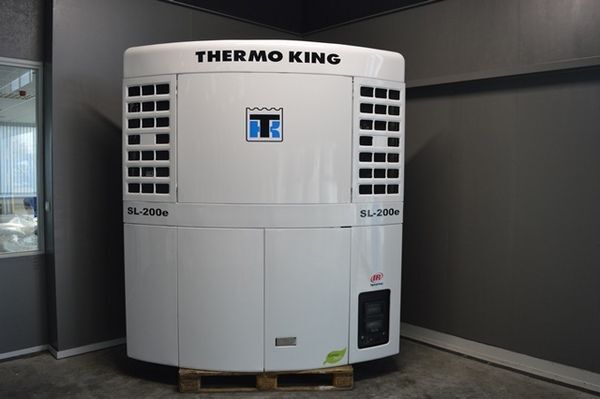
- Truck and trailer refrigeration units: self-contained cooling units mounted on the front of a truck body or trailer. Well-known families include Thermo King T-Series, SB and SL models and multi-temperature units that keep different compartments at different temperatures.
They serve different jobs, so make sure you are shopping in the right place. If you need a cooling unit for a trailer, start with our Thermo King refrigeration units, or look at multi-temp trailer refrigeration units if you need separate temperature zones.
Power: what a reefer needs to run
A refrigeration unit is an electrical machine. Many refrigerated containers run on three-phase power, commonly in the range of 380 to 460 volts. Smaller units can differ: our 10ft refrigerated container listing, for example, describes 220-volt single-phase power. Always confirm the requirement for the exact unit, and have a plan for supplying it:
- Grid power: a supply that matches the unit’s voltage and phase, plus the correct plug and cable at your site.
- A genset: a generator set can supply power where there is no grid connection or during transport. Our guide to clip-on and undermount gensets explains how to choose one.
- Running cost: continuous refrigeration draws real power, so include electricity or fuel in your budget.
Refrigerated container buying guide: what to check first
Proof of performance
Ask whether the unit has had a documented test run or a pre-trip inspection (often called a PTI), and whether it can hold its set temperature. Ask to see the controller display and any alarm history, and request service records if available.
The box
Inspect the door seals closely, since a leaking seal wastes cooling. Check the insulated panels for dents or damage, the floor grating for deformation, and the drain points for blockages.
The machinery
Look for signs of oil or refrigerant leaks, damaged coils, and a tidy, intact electrical cabinet. Ask which refrigerant the unit uses, because that can affect servicing.
Rules where you operate
Emission rules can apply to transport refrigeration units, especially those powered by diesel engines. For example, the California Air Resources Board regulates transport refrigeration units operating in California, so check current requirements for your location before you buy equipment for road use.
Refrigeration equipment to look at
These listings show how the topics above appear in real products. Confirm the model, condition and compatibility with our team before ordering:
- 20ft refrigerated shipping container for cold storage or transport.
- 10ft refrigerated container for a compact cold store.
- Thermo King SL 200e refrigeration unit as an example of a trailer refrigeration unit.
- Thermo King T-1000R Spectrum, described in its listing as a self-powered multi-temperature truck unit.
Refrigerated container FAQs
How cold can a refrigerated container get?
It depends on the refrigeration unit. Many units cover both chilled and frozen ranges, but check the specification of the exact unit and confirm that the range suits your goods.
Can I use a refrigerated container as cold storage?
Yes, that is a common use. You need a reliable power supply that suits the unit, a level base and enough clearance around the machinery end. Plan for the running cost as well as the purchase price.
Do I need a genset to run a reefer?
Only if you do not have suitable grid power or you are moving the container. At a fixed site with a supply that matches the unit’s voltage and phase, you can usually connect directly.
Is a used refrigerated container a good idea?
It can be, provided you can verify how it performs. Ask for a test run, service history and photos of the actual unit, and compare the seller’s description with what you receive.
What is the difference between a reefer container and a refrigeration unit?
A reefer container is the whole insulated container with its built-in cooling machinery. A refrigeration unit is the cooling machine itself, typically mounted on a truck or trailer.
Where to go next
Read our Buyer’s Guide for the basics of buying online, browse the full inventory, or contact the team with your requirements. More guides are available in the Blog.