
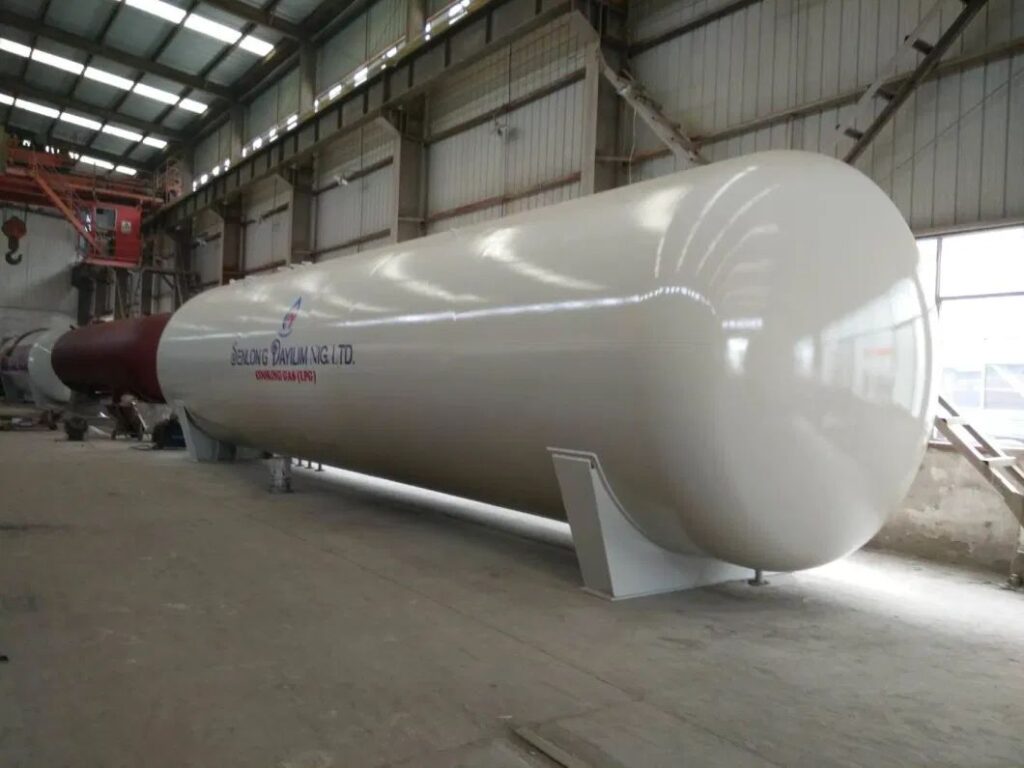
A pressure tank is only as good as its records. Two tanks can look identical and still differ in what they were built to, when they were last tested and whether they can be legally used for the job you have in mind. This guide to propane tank documentation explains what to ask for on propane and NH3 tanks, what each document tells you, and what should make you cautious.
Key takeaways
- The nameplate is the starting point. It identifies the tank and what it was built to.
- Registered tanks have a National Board number, and the manufacturer’s data report can be traced with it.
- Transport tanks have extra plates, test markings and a test schedule.
- Compare numbers across documents. Mismatches are a warning sign.
The nameplate
Stationary propane and ammonia tanks are typically built to the ASME Boiler and Pressure Vessel Code, Section VIII, Division 1. The nameplate on the tank typically records identifying details such as the manufacturer, serial number and maximum allowable working pressure (MAWP), and the exact markings vary by tank. For anhydrous ammonia, OSHA’s 29 CFR 1910.111 lists required container markings, including the words “Anhydrous Ammonia,” the water capacity, the design pressure, the wall thickness and the date of fabrication. Ask for clear photos of the plate before you buy, and check that it is legible and permanently attached.
Manufacturer’s data report and National Board registration
According to the National Board, pressure-retaining items registered with it carry the National Board symbol and a registration number on the nameplate or stamping. The registration number identifies a specific item. Manufacturers’ data reports, such as the U-1A form used for pressure vessels, can be ordered from the National Board using the National Board number and the manufacturer name (see the National Board data report ordering page). If a seller cannot give you a National Board number for a tank that should be registered, ask why. One of our listings, for a 1,465-gallon NH3 tank, states registration with the National Board.
MC-331 cargo tank plates and test markings
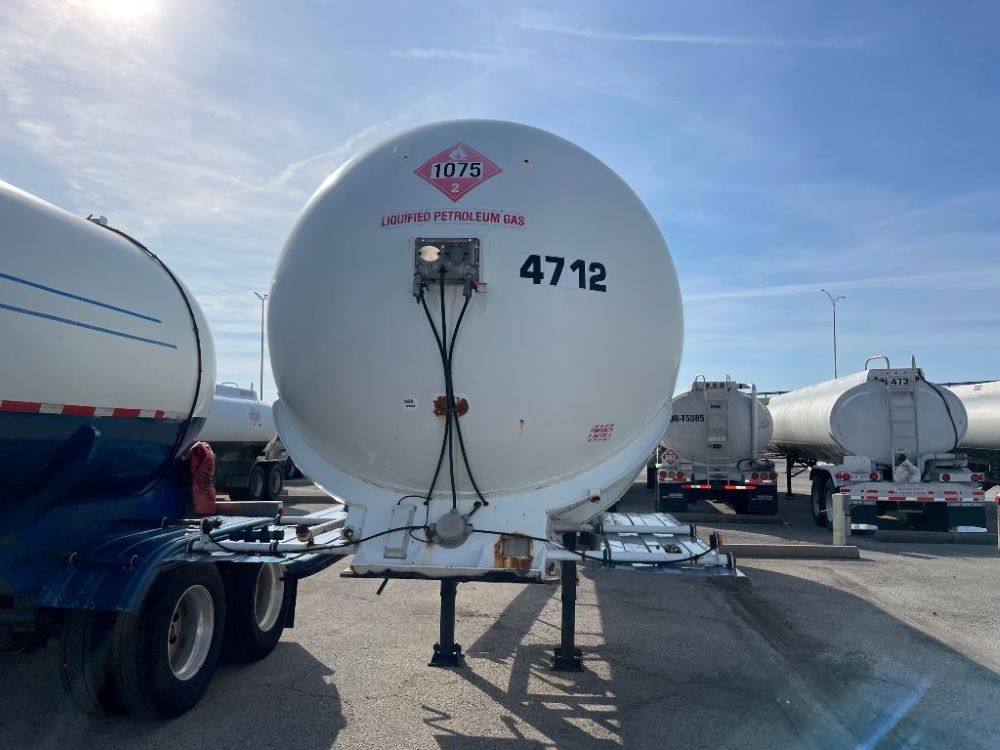
Transport tanks have more to check. A tank certified after October 1, 2004 carries an ASME name plate and a DOT specification plate, and the name plate records the DOT MC 331 designation, original test date, MAWP, design temperature range and water capacity (see 49 CFR 178.337-17). The test and inspection schedule in 49 CFR 180.407 says a tank whose test is due may not be filled and offered for transportation until the test has been completed, and completed tests are marked on the tank with a month, year and code. Our guide to LPG tank trailers walks through this in more detail, and the same records matter for our 11,600-gallon MC-331 trailer listings.
Standards for propane and ammonia
- Propane storage: NFPA 58 is the standard for liquefied petroleum gas systems, including location and filling. Our guide to propane tank sizes covers capacity and filling in more depth.
- Anhydrous ammonia: CGA G-2.1 covers design, construction, repair, alteration, location, installation, maintenance and operation of anhydrous ammonia systems. See our post on NH3 tank sizes.
Local regulations may add requirements. Confirm what applies where you will use the tank.
Propane tank documentation checklist
| Ask for | What it tells you | Applies to |
|---|---|---|
| Photo of the nameplate | Manufacturer, serial number, year, MAWP, water capacity | All pressure tanks |
| National Board number and data report | Registration and the manufacturer’s record of construction | Registered pressure vessels |
| Specification plate and test markings | Cargo tank specification and the dates and types of tests | MC-331 transport tanks |
| Test and inspection records | When the tank was tested, by whom, and what was found | Transport tanks and any used tank |
| Repair and alteration records | Whether the tank was modified after it was built | Used tanks |
| Relief valve and fitting information | Whether safety devices are current and appropriate | All tanks |
| Ownership paperwork | Who owns the tank and any liens | All purchases |
Red flags
- A missing, painted-over, damaged or unreadable nameplate.
- Serial numbers or capacities that differ between the tank, the plate and the paperwork.
- No record of tests or repairs for a used tank.
- A seller who cannot supply a National Board number for equipment described as registered.
- Test markings that are out of date on a transport tank.
- Pressure ratings or capacities quoted only in the advert, with no plate photo.
Tanks to look at
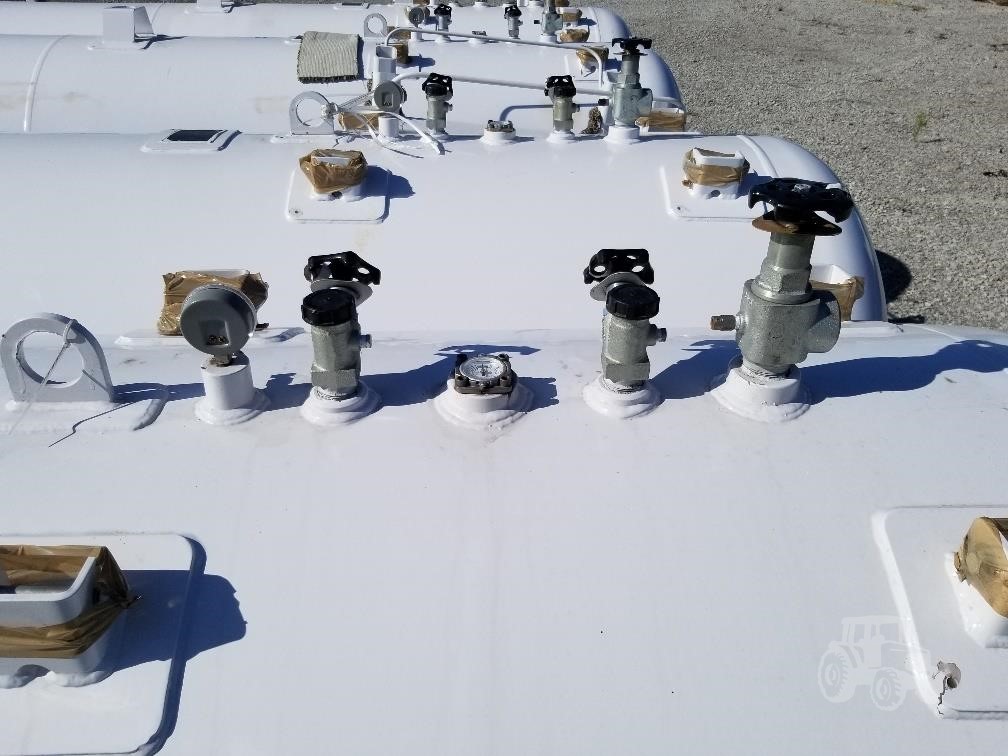
These listings show tanks with documentation details to discuss. Always confirm the exact records for the unit with our team before ordering:
- 10,000-gallon ASME storage tank for bulk propane storage.
- 1,000-gallon above-ground propane tank with ASME construction described.
- 1,465-gallon NH3 tank with National Board registration described.
- 11,600-gallon MC-331 trailer for road transport.
Browse the propane tank, NH3 tank and LPG transport trailer categories for the full range.
Tank documentation FAQs
What is the most important document on a pressure tank?
The nameplate and the manufacturer’s data report. Together they identify the tank and record what it was built to.
How do I check a National Board number?
The National Board lets you order the data report for a registered vessel using the National Board number and the manufacturer name. Ask the seller for both.
Do I need test records for a stationary tank?
Records help for any used tank. Transport tanks have a defined test schedule under 49 CFR 180.407, and stationary tanks are covered by the standards and local rules that apply to your installation.
Can I rely on the specifications in a listing?
Treat listings as a starting point. Confirm the details against the plate on the tank and the records, especially for used equipment.
This post is general information, not legal, safety or compliance advice. Requirements depend on your location and equipment, so confirm them with the relevant authority or a qualified professional.
Where to go next
Read our Buyer’s Guide for the basics of buying online, see the FAQs, or contact the team with your requirements. More guides are in the Blog.